Understanding the Swollen Thyroid: A Gland Under Duress
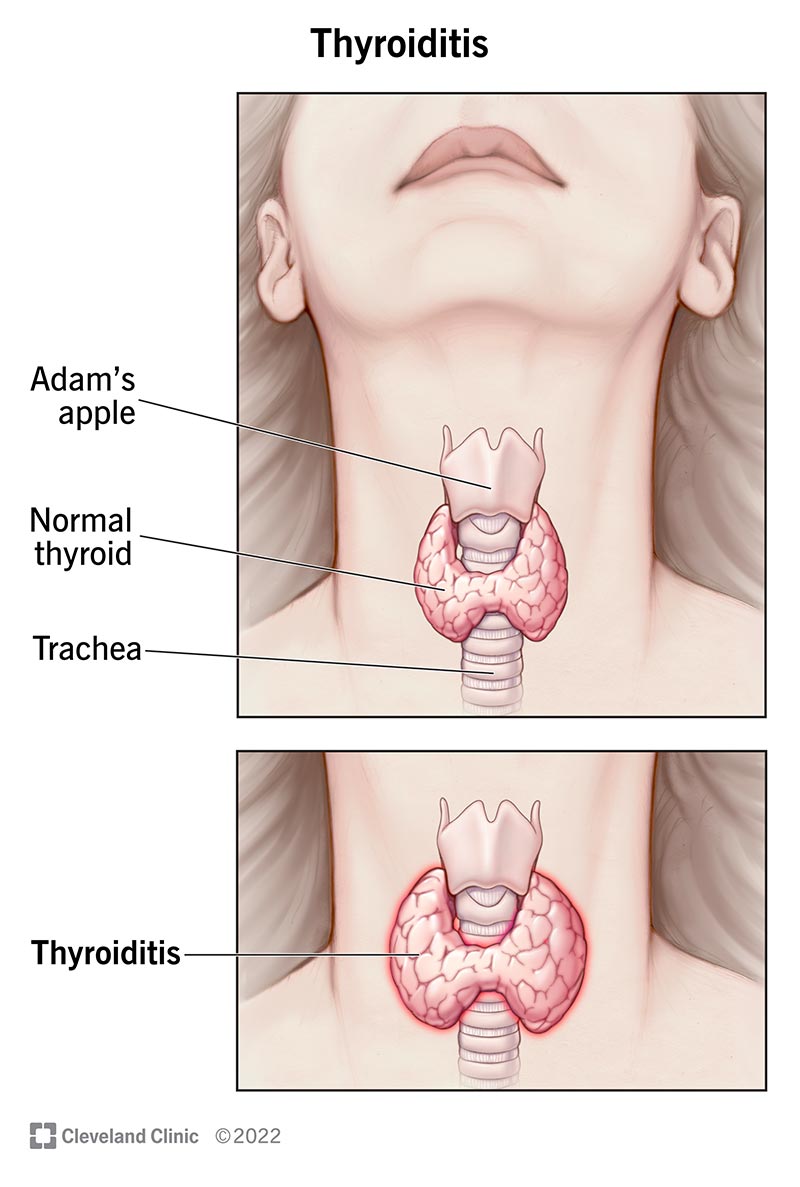
Nestled at the base of your neck, just below your Adam's apple, lies the thyroid gland – a small, butterfly-shaped organ with an outsized role in your overall health. This vital endocrine gland is responsible for producing hormones that regulate metabolism, energy levels, heart rate, body temperature, and many other critical bodily functions. When something goes awry within this crucial gland, its normal operations can be disrupted, and one of the most visible and concerning signs can be a swollen thyroid.
A swollen thyroid, often referred to as a goiter, can manifest as a noticeable lump or enlargement in the neck. While sometimes benign and asymptomatic, an enlarged thyroid can also signal underlying health issues, ranging from mild inflammation to serious conditions like cancer. Depending on its size and cause, a swollen thyroid can lead to uncomfortable symptoms such as difficulty swallowing, a feeling of tightness in the throat, or even trouble breathing. Recognizing the potential causes of thyroid swelling is the first step toward effective diagnosis and treatment.
The Autoimmune Connection: When Your Immune System Turns on Your Thyroid
One of the most common and complex categories of causes for a swollen thyroid involves autoimmune diseases. In these conditions, the body's immune system, which is designed to protect against foreign invaders, mistakenly attacks healthy tissues, in this case, the thyroid gland. This misguided attack can either overstimulate or damage the thyroid, leading to hormonal imbalances and characteristic swelling. The two most prominent autoimmune thyroid conditions are Graves' disease and Hashimoto's thyroiditis.
Graves' Disease: The Overactive Thyroid
Graves' disease is an autoimmune disorder that leads to hyperthyroidism, meaning the thyroid gland produces an excessive amount of hormones. The immune system generates antibodies that mimic thyroid-stimulating hormone (TSH), causing the thyroid to become overactive and enlarge. This increased stimulation leads to the characteristic swollen thyroid, or goiter. Beyond the swelling, symptoms of Graves' disease often include:
- Unexplained weight loss despite increased appetite
- Rapid or irregular heartbeat (palpitations)
- Anxiety, irritability, and nervousness
- Tremors in the hands or fingers
- Increased sensitivity to heat and excessive sweating
- Changes in menstrual cycles
- Muscle weakness
- Prominent, bulging eyes (Graves' ophthalmopathy)
Treatment for Graves' disease typically involves medications to reduce hormone production (antithyroid drugs), radioactive iodine therapy to destroy thyroid cells, or, in some cases, surgical removal of part or all of the gland.
Hashimoto's Thyroiditis: The Underactive Thyroid
Conversely, Hashimoto's thyroiditis is an autoimmune condition that causes hypothyroidism, where the thyroid gland produces too little hormone. In this disease, the immune system produces antibodies that gradually destroy the thyroid cells, impairing its ability to produce hormones. As the thyroid struggles to keep up with the body's demands, the pituitary gland may increase its production of TSH, attempting to stimulate the ailing thyroid. This chronic stimulation can cause the gland to enlarge and form a goiter, resulting in a swollen thyroid.
Symptoms of Hashimoto's often develop slowly and can include:
- Fatigue and sluggishness
- Increased sensitivity to cold
- Constipation
- Dry skin and brittle nails
- Unexplained weight gain
- Puffy face
- Muscle aches, tenderness, and stiffness
- Joint pain and swelling
- Thinning hair
- Heavy or irregular menstrual periods
- Depression and impaired memory
Management of Hashimoto's thyroiditis primarily involves daily thyroid hormone replacement medication, such as levothyroxine, to restore normal hormone levels and often reduce the size of the goiter.
Beyond Autoimmunity: Other Key Causes of a Swollen Thyroid
While autoimmune diseases are significant contributors, several other conditions can lead to a swollen thyroid. Understanding these diverse causes is crucial for accurate diagnosis and effective treatment strategies.
Thyroiditis: Inflammation of the Thyroid Gland
Thyroiditis broadly refers to inflammation of the thyroid gland. While Hashimoto's is a form of chronic autoimmune thyroiditis, other types exist, which may or may not be autoimmune in nature:
- Subacute Thyroiditis: Often triggered by a viral infection, this condition can cause an initially painful and swollen thyroid, usually followed by a period of hyperthyroidism, then hypothyroidism, before resolving on its own.
- Postpartum Thyroiditis: Occurring in some women after childbirth, this typically involves an initial hyperthyroid phase followed by a hypothyroid phase, often resolving within a year.
- Acute Thyroiditis: A rare condition caused by bacterial infection, leading to a very painful and tender swollen thyroid, often accompanied by fever.
Treatment for thyroiditis varies depending on the type and phase, often involving anti-inflammatory medications, beta-blockers for hyperthyroid symptoms, or hormone replacement for hypothyroid phases.
Thyroid Nodules: Lumps and Bumps on the Gland
Thyroid nodules are growths or lumps that form within the thyroid gland. They are remarkably common, especially with age, and the vast majority (around 90-95%) are benign (non-cancerous). Often, these nodules are small and asymptomatic, discovered incidentally during routine physical exams or imaging tests for other conditions. However, if multiple nodules develop, or if a single nodule grows sufficiently large, it can cause the thyroid gland to appear noticeably enlarged and contribute to a swollen thyroid, potentially causing difficulty swallowing or a feeling of pressure.
Diagnosis of thyroid nodules typically involves a physical examination, thyroid function tests, ultrasound imaging, and sometimes a fine-needle aspiration (FNA) biopsy to determine if the nodule is benign or malignant. Benign nodules that cause symptoms can often be surgically removed through minimally invasive procedures.
Thyroid Cancer: A Less Common but Serious Cause
While less common than benign nodules, thyroid cancer is a critical consideration when a swollen thyroid is present, particularly if the swelling is asymmetric, rapidly growing, or accompanied by hoarseness or difficulty swallowing. Cancerous cells can certainly lead to localized or generalized swelling of the gland. There are several types of thyroid cancer, with papillary and follicular carcinomas being the most common and generally having excellent prognoses.
If you notice any persistent swelling in your neck, especially if accompanied by other concerning symptoms, it's crucial to consult an endocrine specialist promptly. Early detection is paramount for successful outcomes. Surgery to remove the cancerous portion of the thyroid, or the entire gland, is almost always the preferred initial treatment for thyroid cancer, often followed by radioactive iodine therapy.
Iodine Deficiency: A Preventable Cause
The thyroid gland requires iodine, an essential trace element, to produce its vital hormones. If the body doesn't receive enough iodine, the thyroid attempts to compensate by growing larger to try and capture more of the scarce nutrient from the bloodstream. This enlargement is known as an iodine deficiency goiter, resulting in a swollen thyroid.
Fortunately, iodine deficiency is uncommon in most developed nations today, largely due to the widespread use of iodized salt and the presence of iodine in various foods. However, in some regions globally and for individuals on highly restricted diets, deficiency can still occur. If identified as the cause, increasing dietary iodine intake through sources like iodized salt, seafood, dairy products, and certain vegetables, or taking iodine supplements under medical guidance, can usually resolve the issue.
When to Seek Medical Attention for a Swollen Thyroid
A swollen thyroid is never something to ignore. Given the gland's critical role in bodily function and the diverse range of potential causes, from easily managed deficiencies to serious conditions like cancer, prompt medical evaluation is always recommended. If you notice any enlargement in your neck, experience difficulty swallowing or breathing, unexplained weight changes, fatigue, or other concerning symptoms associated with thyroid dysfunction, schedule an appointment with your doctor or an endocrine specialist without delay.
During your visit, the doctor will likely perform a physical examination, check your neck for enlargement and nodules, and order blood tests to assess your thyroid hormone levels (TSH, T3, T4) and potentially thyroid antibody levels. Imaging tests, such as an ultrasound, may also be used to visualize the thyroid gland in detail and identify any nodules. Remember, all of these issues are treatable, but they consistently have better outcomes when caught at an earlier stage. For a comprehensive overview of the different causes, you might find our article Why Is Your Thyroid Swollen? 5 Common Causes Explained particularly insightful.
Conclusion
The presence of a swollen thyroid gland can be a red flag for a variety of underlying health conditions, ranging from autoimmune disorders like Graves' and Hashimoto's to thyroiditis, benign nodules, and even thyroid cancer or iodine deficiency. While some causes are relatively benign and easily managed, others demand immediate and focused medical attention. Understanding the potential causes empowers you to be an advocate for your own health. The key takeaway is clear: any noticeable swelling or discomfort in your neck warrants a visit to an experienced healthcare professional. Early diagnosis and appropriate treatment are crucial for managing thyroid conditions effectively and maintaining your overall well-being.